Parrish, Florida | Water and sewage response
Water Damage Restoration Parrish, FL
24/7 water damage restoration in Parrish, FL. The restoration team extracts standing water, dries structures to the IICRC S500 standard and prepares a measured claim file.
(888) 621-2041Start the Parrish dry-out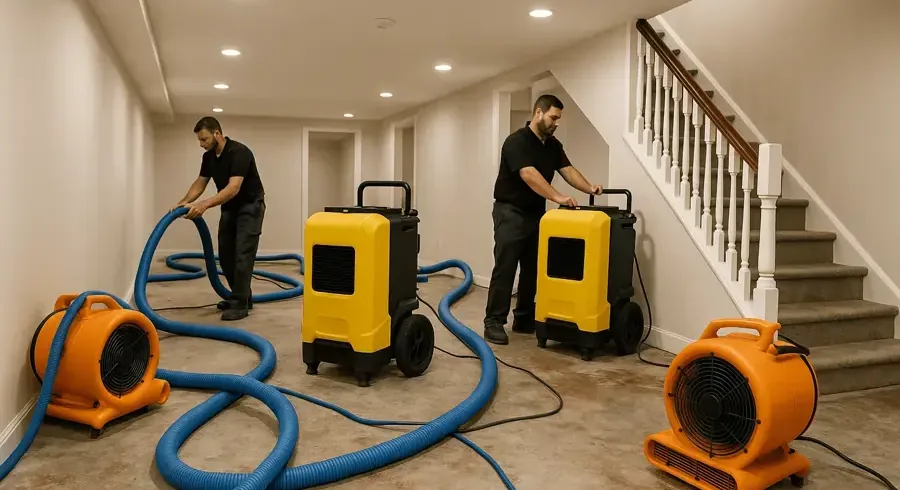
- 24/7 water dispatch
- IICRC S500 drying standard
- Truck-mounted extraction
- Daily moisture readings
Act safely
What to do while the water is still moving
- 1Stop the sourceClose the main valve or appliance supply only from a dry, safe position.
- 2Avoid wet powerStay clear of outlets, cords and standing water near electrical equipment.
- 3Photograph firstRecord the source, wet rooms and damaged contents before anything moves.
- 4Call 24/7Describe the source and rooms affected so the dispatch carries the right extraction gear.
Water and sewage only
Water Damage Restoration Services in Parrish, FL
Parrish properties face plumbing releases, appliance failures, wet-season rain and roof entry. Each service begins with source control, water-category assessment and a complete moisture map.
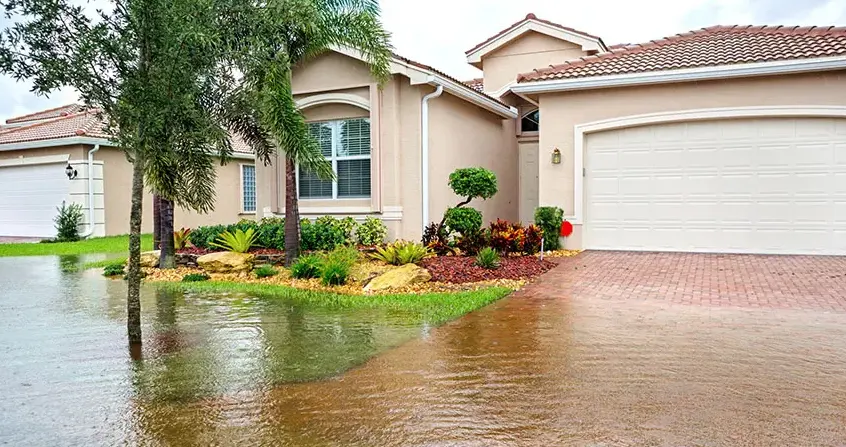
 Wet-season responseStorm Flood CleanupParrish receives its heaviest average rainfall from June through September. Outdoor floodwater calls for containment, cleaning and removal of contaminated porous finishes.See how it is handled
 Concealed water mappingSlab Leak Water DamageA damp floor can be the first sign of a concealed pipe leak. Readings guide access through the slab and drying beneath adjoining finishes.See how it is handled
 Emergency Water ExtractionStanding water comes out first, including water trapped along cabinet toes and carpet edges. Moisture mapping then shows which rooms need drying.Details
 Burst Pipe CleanupA failed supply fitting can soak several rooms before the valve closes. Extraction follows the release into walls, insulation and cabinets.Details
 Roof Leak Water DamageA ceiling stain may sit below a much wider patch of wet attic insulation. Inspection follows rain from the roof opening to the rooms below.Details
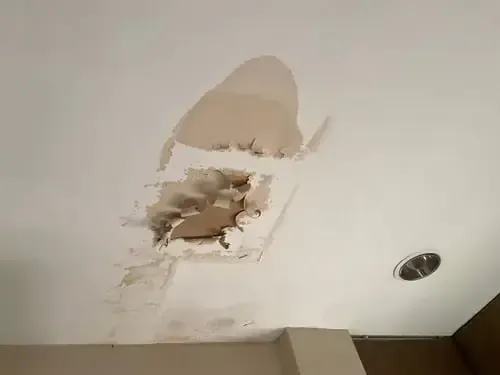
 Ceiling Leak Water DamageSagging ceiling board needs a safe work area before anything is opened. The crew locates the leak and checks the framing above it.Details
 Water Heater Leak CleanupA leaking tank can send water from a utility space into finished rooms. Wall bases and floor transitions receive attention after the source is isolated.Details
 Appliance Leak Water DamageDishwasher discharge and refrigerator supply leaks need different cleanup. Detail tools reach water beneath cabinets and along flooring seams.Details
 Toilet Overflow CleanupAn overflow can reach the hallway before the bathroom looks badly damaged. Water classification determines which surfaces can be cleaned and which finishes need removal.Details
 Sewage Backup CleanupWastewater cleanup begins with separation from occupied rooms. Contaminated materials are removed under containment before durable surfaces are cleaned and dried.Details
 Hardwood Floor Water DamageCupped boards need readings below the surface. Floor and subfloor measurements guide drying and help establish what can be retained.Details
 Structural DryingAir movers and dehumidifiers address moisture left after extraction. Daily checks show when framing and enclosed cavities are ready for repair.Details
 Commercial Water DamageA business water loss needs work zones, protected contents and usable access. Drying is planned around the affected rooms and safe operations.Details
 Air Conditioner Leak CleanupA blocked condensate drain can soak an equipment closet or stain a ceiling. Cleanup traces the route beyond the air handler after the leak is corrected.Details
How the work is measured
Water damage dried to the IICRC S500 standard
A finished dry-out depends on readings rather than appearance. The drying team maps every affected assembly first, removes recoverable water, then sets equipment for the actual evaporation load. Structural drying reaches framing, subfloors and cavities that surface cleaning leaves wet.
- IICRC S500 drying standard
- Structural drying beyond the surface
- Categories 1, 2 and 3 handled differently
- Class 1 through 4 sets equipment needs
- 1
Map the moisture
Thermal imaging finds patterns and meters confirm the wet edge in each material.
- 2
Extract recoverable water
Weighted tools and truck-mounted extraction reduce the water that equipment must evaporate.
- 3
Control the air
Air movers lift moisture while LGR dehumidifiers remove it from the drying chamber.
- 4
Read and verify
Daily readings continue until wet materials reach the goal against a dry reference.
Local water context
A Parrish drying plan built for wet-season losses
Parrish is an unincorporated Manatee County community near U.S. 301 and State Road 62. Residential growth accelerated after the late 2000s, so the housing mix includes established properties near the former Oak Hill area and newer construction beyond the historic center. The restoration team checks the actual assembly instead of assuming every floor, wall or roof dries the same way.
The heaviest average rainfall falls from June through September. Roof entry, storm water, air-conditioner condensate and plumbing releases can therefore overlap. The extraction crew documents the source, maps the water beyond the visible edge and uses daily readings to decide when the equipment can leave.
See how the Parrish dry-out works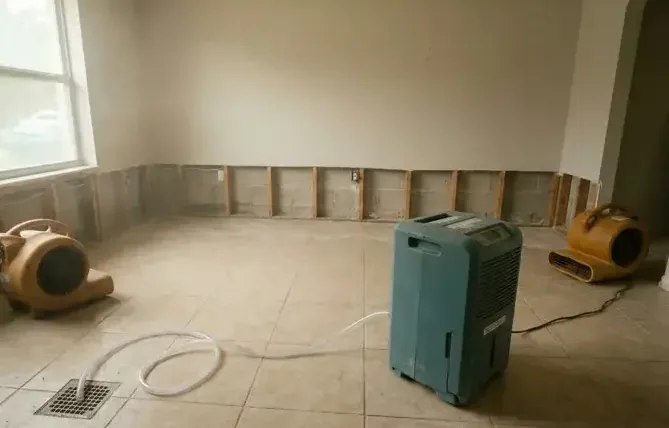
Typical planning ranges
What does water damage restoration cost in Parrish, FL?
In Parrish, FL, water damage restoration typically costs $1,000 to $10,000 or more. A contained clean-water room usually stays near the low end. Category 3 water, several rooms, wet cabinets or flooring, and delayed drying increase the scope.
Contained clean water
$1,000 to $3,000
- One focused wet area
- Extraction and dehumidification
- Daily moisture records
Several rooms or cavities
$3,000 to $7,000
- Selective material removal
- Wall and floor drying
- Claim photos and logs
Contaminated or extensive
$7,000 to $10,000+
- Category 3 containment
- Porous material removal
- Several drying zones
Use the water damage cost calculator for a planning range. The walkthrough and moisture map establish the actual scope.
Water categories
All water damage categories covered in Parrish, FL
Category 1, clean water
Supply pipes, water heaters and appliance inlets begin as clean water when caught promptly.
Category 2, gray water
Appliance discharge and some toilet overflows carry contamination that changes cleaning and removal.
Category 3, black water
Sewage and water that crossed the ground require containment and removal of affected porous materials.
See Category 3 cleanup
Insurance documentation
Documentation for your insurance claim
Insurance policies treat sudden internal water, gradual leakage and outside surface water differently. The restoration contractor records conditions and drying work, while the insurer decides coverage under the policy. It is worth checking the cause and any water-backup or flood endorsements with the insurer.
What the claim file should contain
- A moisture map from the first inspection
- Daily psychrometric and material readings
- Timestamped photos before removal
- The category and class of the water loss
- An itemized scope tied to affected materials
Ask the contractor who responds which photos and drying logs come with the work.
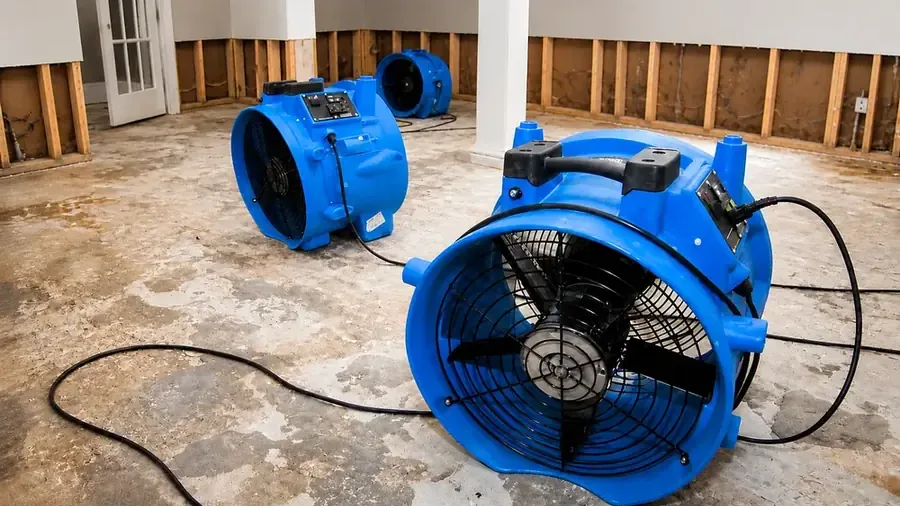
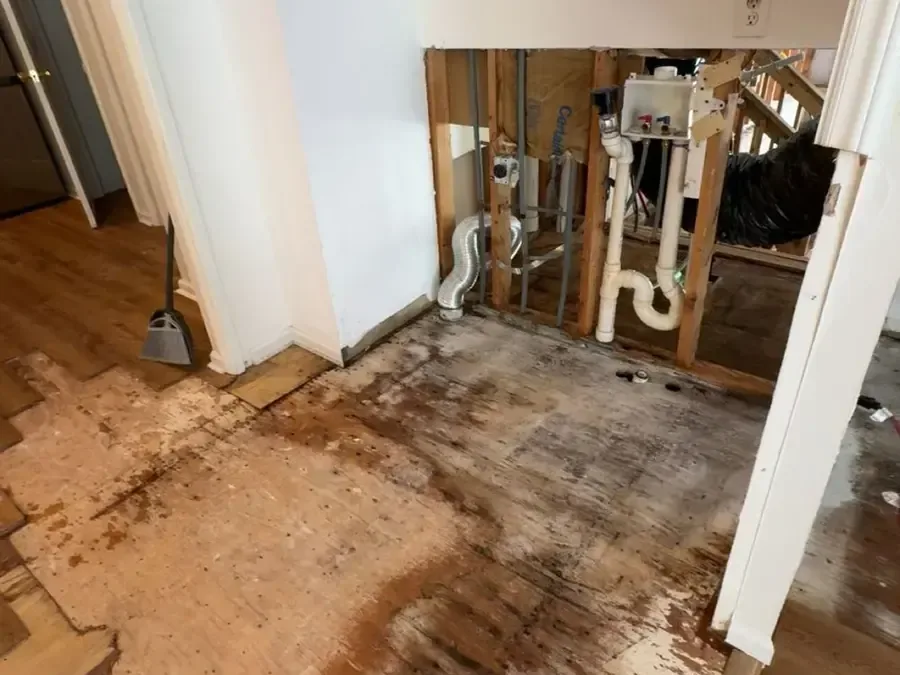
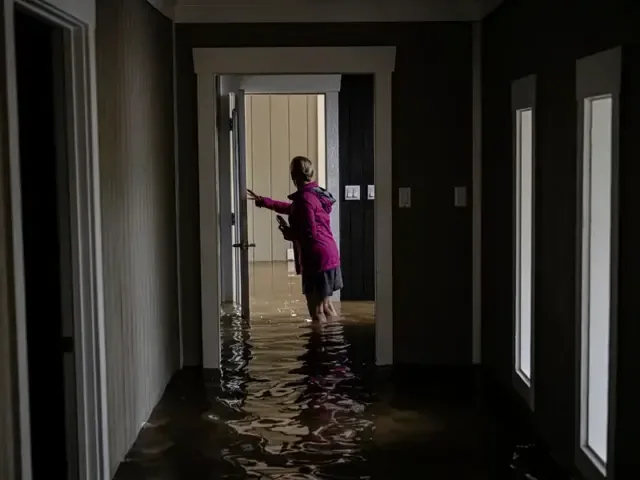
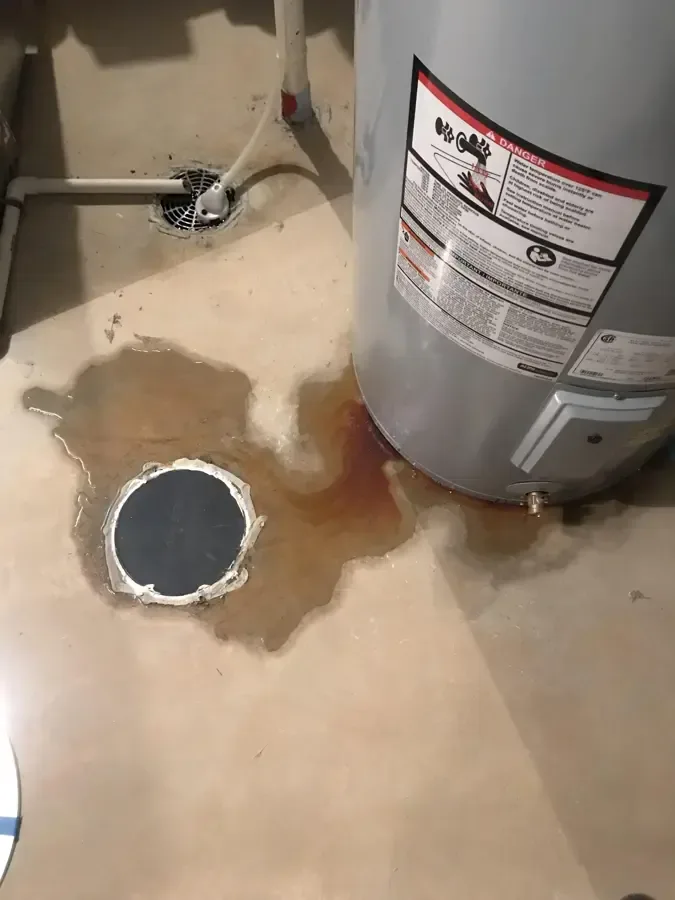
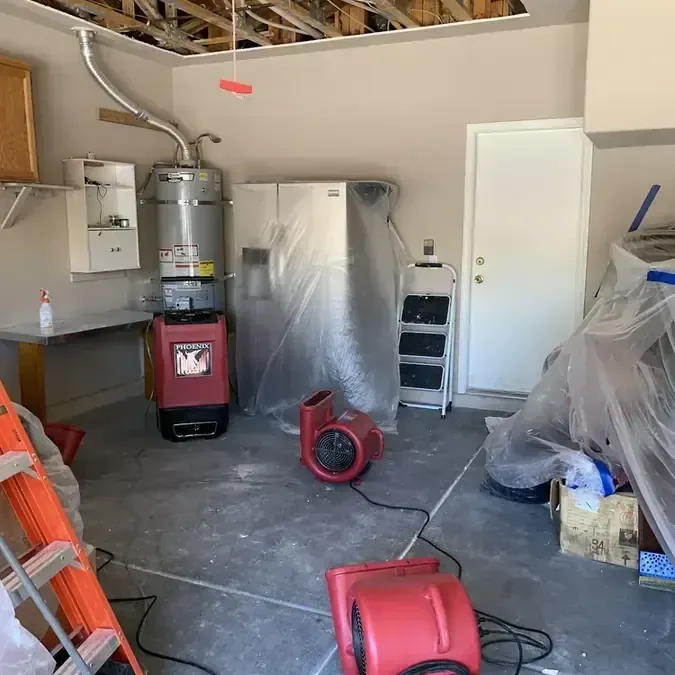
Dry-out gallery
What a water damage dry-out looks like in Parrish
Available around the clock
One call reaches Parrish water damage pros, 24/7
The response team handles active water losses around the clock. Describe whether the source is a pipe, roof, appliance, drain or outside water and name the rooms affected. That information guides the pumps, containment and drying equipment on the dispatch.
Parrish Water Damage Restoration
Parrish, FL
(888) 621-2041
24 hours, 7 days a week
Find us on Google
Areas served
Water damage restoration across ZIP 34219 and nearby communities
The restoration team covers properties near U.S. 301, State Road 62, the former Oak Hill area and the Florida Railroad Museum, along with the nearby Manatee County communities listed here.
ZIP code
34219
Community and nearby areas
- Oak Hill
- U.S. 301
- State Road 62
- Florida Railroad Museum
- Lakewood Ranch
- Ellenton
- Palmetto
- Memphis
- Bayshore Gardens
This service area centers on the unincorporated community in Manatee County.
Local water risk
Water damage in Parrish, FL: the local risk profile
Wet-season rainfall, fast residential growth and varied building ages shape how water moves through local properties.
- The Manatee River watershed provides the local drainage context for heavy seasonal rain.
- NOAA normals show the highest average rainfall from June through September.
- Residential subdivision growth accelerated in the late 2000s, adding newer plumbing and roof assemblies beside established homes.
- Manatee County handles floodplain review and building inspections in the unincorporated area.
Questions
Parrish water damage questions, answered
What should happen first when water is spreading?
Shut off the source only from a dry and safe location. Keep clear of wet outlets, photograph the damage and move dry contents away from the wet edge. The restoration team then classifies the water and maps every affected material.
How quickly does 24/7 dispatch begin?
Active losses are treated as urgent at every hour. The dispatcher asks where the water came from, whether it is still moving and which rooms are wet so the first equipment load fits the problem.
How long does structural drying take?
Many contained losses dry over several days, but wood, cabinets, insulation and closed cavities can take longer. Equipment leaves when readings reach the drying goal, not on a preset date.
What is IICRC S500?
IICRC S500 is the industry standard for water damage restoration. It guides water-category assessment, drying-class decisions, extraction, equipment placement, monitoring and documentation.
Does homeowners insurance cover water damage?
Policies often treat sudden internal releases differently from gradual leakage and outside surface water. Coverage depends on the policy, so it is worth checking with the insurer. A moisture map, photos and daily logs support review.
When does drywall have to come out?
Soft or swollen board, wet insulation and drywall touched by Category 3 water require removal. Sound board affected by clean water may dry in place when both sides are accessible and readings respond.
Why is sewage cleanup different?
Sewage is Category 3 water. The crew uses PPE and containment, removes affected porous materials, cleans remaining surfaces and applies an EPA-registered antimicrobial at its required dwell time.
What is the difference between mitigation and repair?
Mitigation stops water movement and dries the structure. Repair replaces removed drywall, flooring and finishes after readings confirm the building is dry.
How is the restoration cost calculated?
Water category, wet square footage, material class, access and time before drying begins drive cost. A walkthrough and moisture map establish the actual scope.
24/7 emergency dispatch
Water moving through a Parrish property? Start drying.
Standing water keeps traveling into floors, wall bases and cabinets. The restoration team extracts the loss, dries the structure to the IICRC S500 standard and records the work for the claim file.